Charlotte’s tips for managing sugar intakes in little one’s diets!
Sugar Awareness Week takes place from the 17th-23rd November. This year we’ve worked with the Baby and Child Nutritionist Charlotte Stirling-Reed to put together some top tips for managing sugar intakes in your little one’s diet.
1. Avoid adding sugar for as long as possible
Babies and toddlers don’t need added sugars, and the NHS recommends avoiding them in young children’s diets. The best approach is simply not to introduce super-sweet foods or high-sugar options until your little one naturally becomes more aware of them. Before that stage, they won’t miss what they haven’t been offered!
2. Think variety, always
Babies are naturally born with a preference for sweet tastes, so it’s perfectly normal for them to lean towards sweeter foods, especially fruits. There’s nothing wrong with that, but we also want to help little ones learn to enjoy a variety of flavours and textures. Keep offering plenty of savoury foods alongside sweet ones and encourage them to explore new tastes early on.
3. Check your own intake
Children learn so much by watching us! If we’re often reaching for sweet foods, little ones will quickly notice and may start expecting them too. Of course, it’s not about banning them completely, but it’s worth being mindful that our habits and choices influence theirs more than we think.
4. Read labels carefully
When choosing foods like cereals, snack bars, or even bread, take a quick look at the labels (especially the 100g column) and aim for options with lower sugar content. Check the ingredients list too…is the sweetness coming from fruit or from added sugars like syrups or concentrates? Being aware helps you make informed choices.
5. Avoid using sweet foods as rewards or bribes
It’s tempting but using sweets as a reward can make them seem extra special and only increases a child’s desire for them. Instead, aim to treat all foods neutrally: sweets can be included occasionally, but ideally without extra fuss or excitement around them.
6. Skip the “sweet pudding after every meal” routine
Children don’t need something sugary to “finish off” a meal. In fact, constantly offering a sweet pudding can lead to them holding out for dessert instead of eating their main course. I love serving all foods on one plate- maybe some fruit or a naturally sweet option alongside dinner - so there’s no hierarchy between “main” and “pudding.”
7. Keep drinks simple
The best drinks for little ones will always be milk and water. Try to avoid sweetened or sugary drinks, even fruit juices are best offered every now and then.
8. Keep perspective. Remember, it’s about balance, not perfection
For older children, it’s completely realistic to include some sugary foods now and then. The key is moderation. Sweets, cakes, and chocolate can be enjoyed occasionally, but they shouldn’t make up a big part of a child’s daily diet.
9. Bake at home when you can
Getting little ones involved in baking is such a lovely way to explore food together and it gives you more control over how much sugar goes in. Many of my recipes, like Chocolate Raisin Bread, Lower-Sugar Fairy Cakes, and Baked Banana Bars, are delicious, nourishing, and always a hit with little ones (and adults too!).
Remember: Sugar isn’t “toxic” or something to fear…but many children do end up having too much. High sugar intakes can affect dental health and appetite and can fill up little tummies before they’ve had a chance to get the fibre, vitamins, and minerals their bodies need. It’s all about finding that happy balance and building positive, healthy habits from the start.
About the author
Charlotte Stirling-Reed
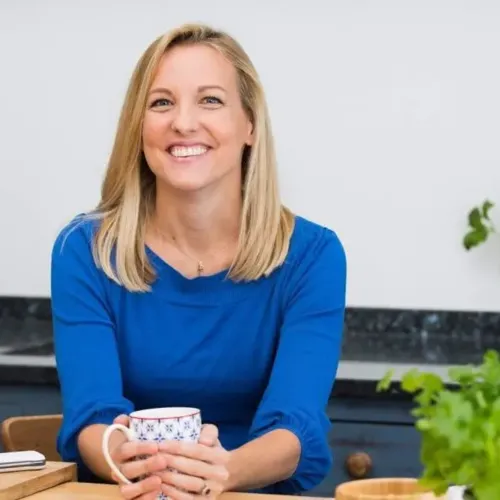
Our nutritionist, Charlotte Stirling-Reed, works with us to ensure that our meals not only taste delicious but that they’re nutritionally balanced to give your little ones everything they need to thrive
 sr_nutrition
Have you tried?
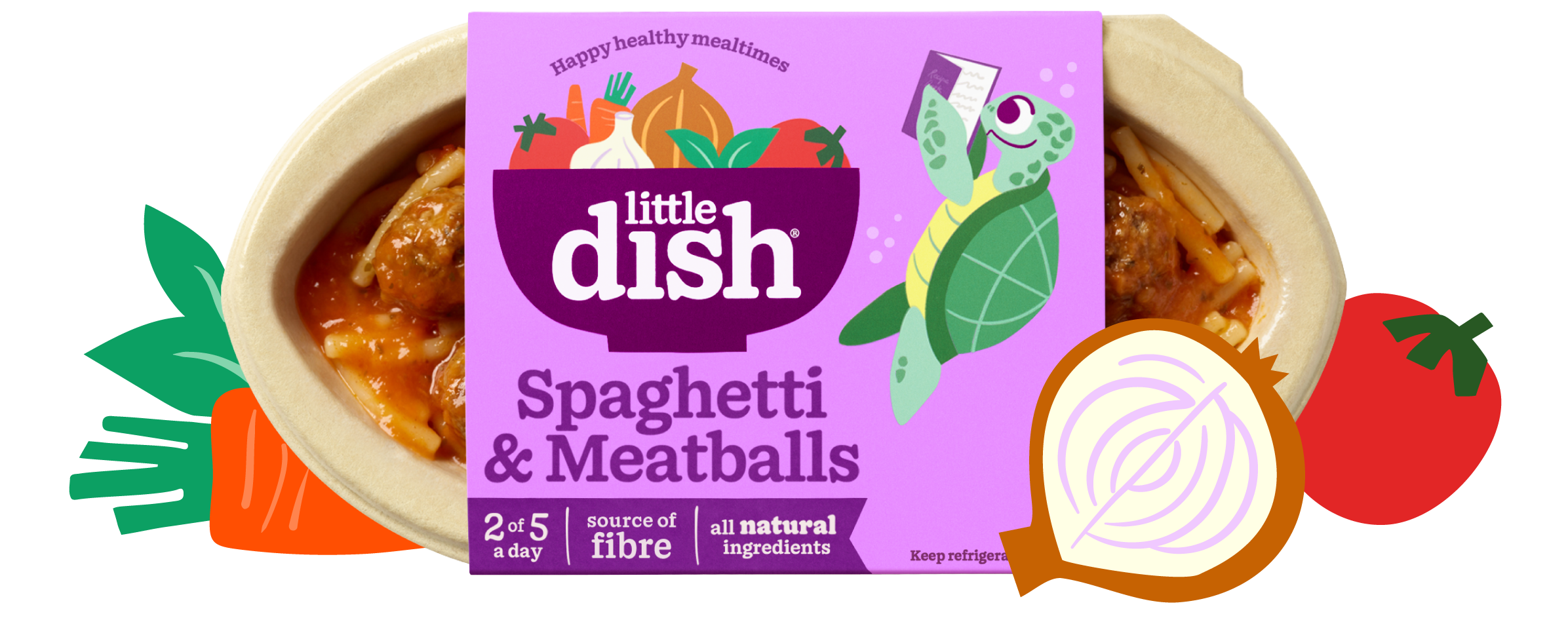
Spaghetti & Meatballs
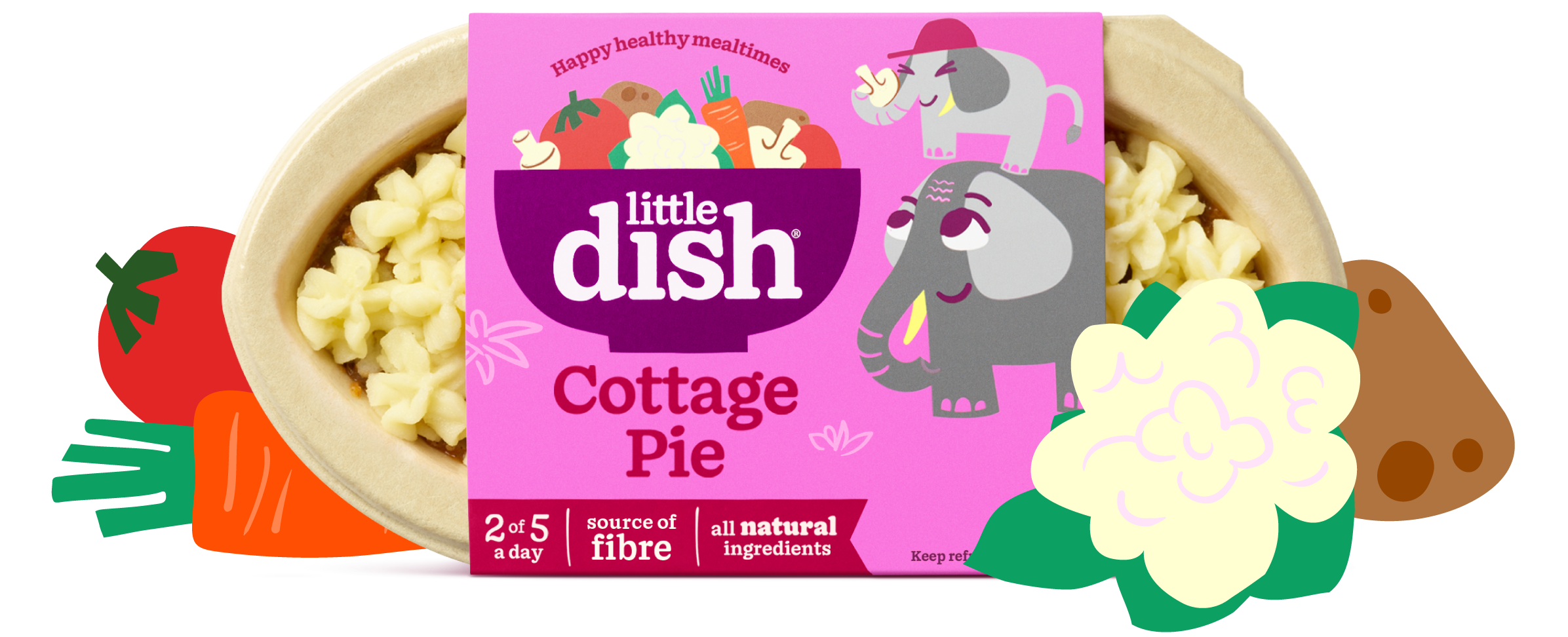
Cottage Pie
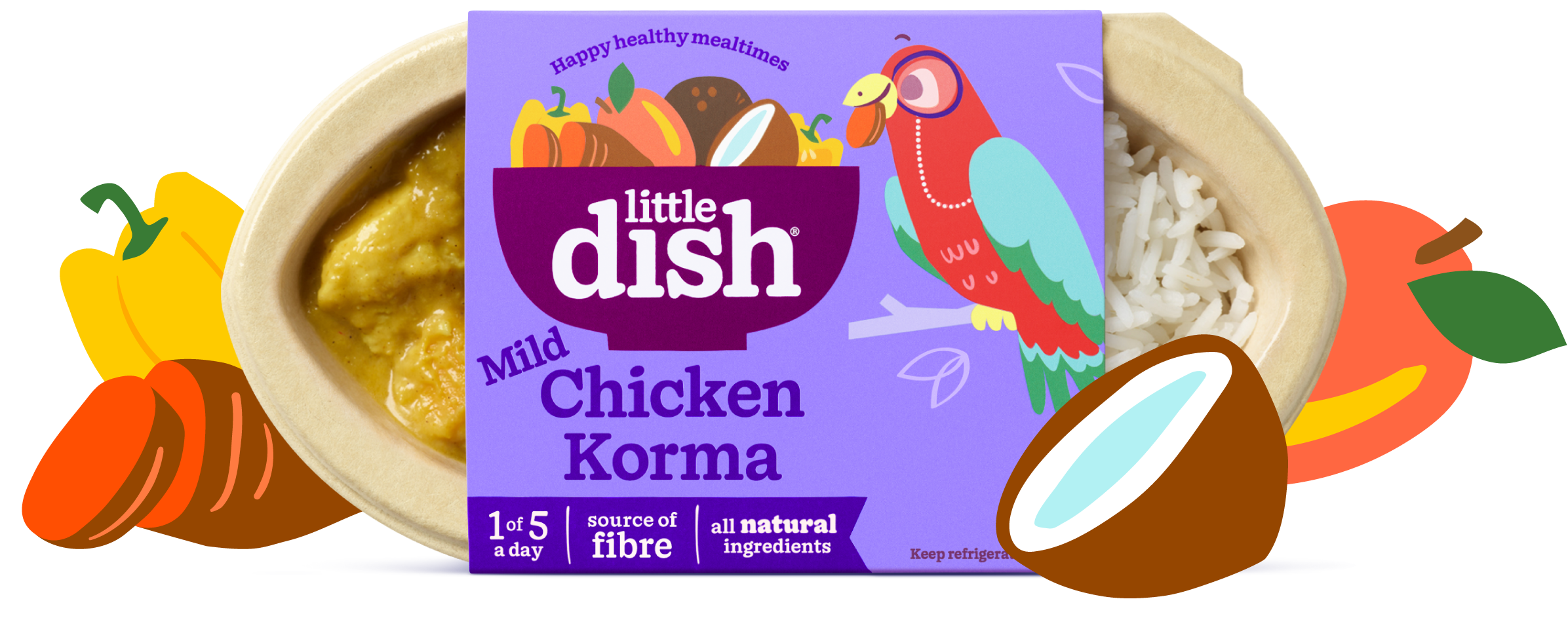
Mild Chicken Korma
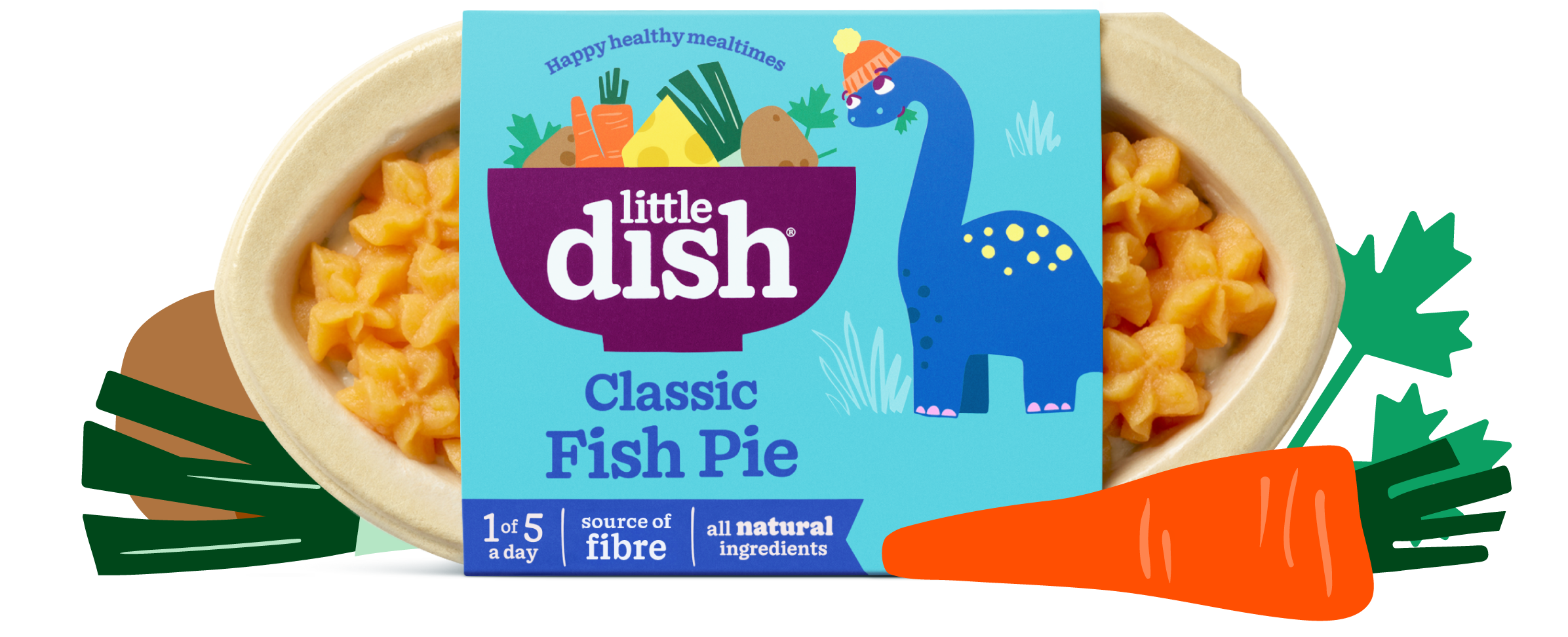
Classic Fish Pie
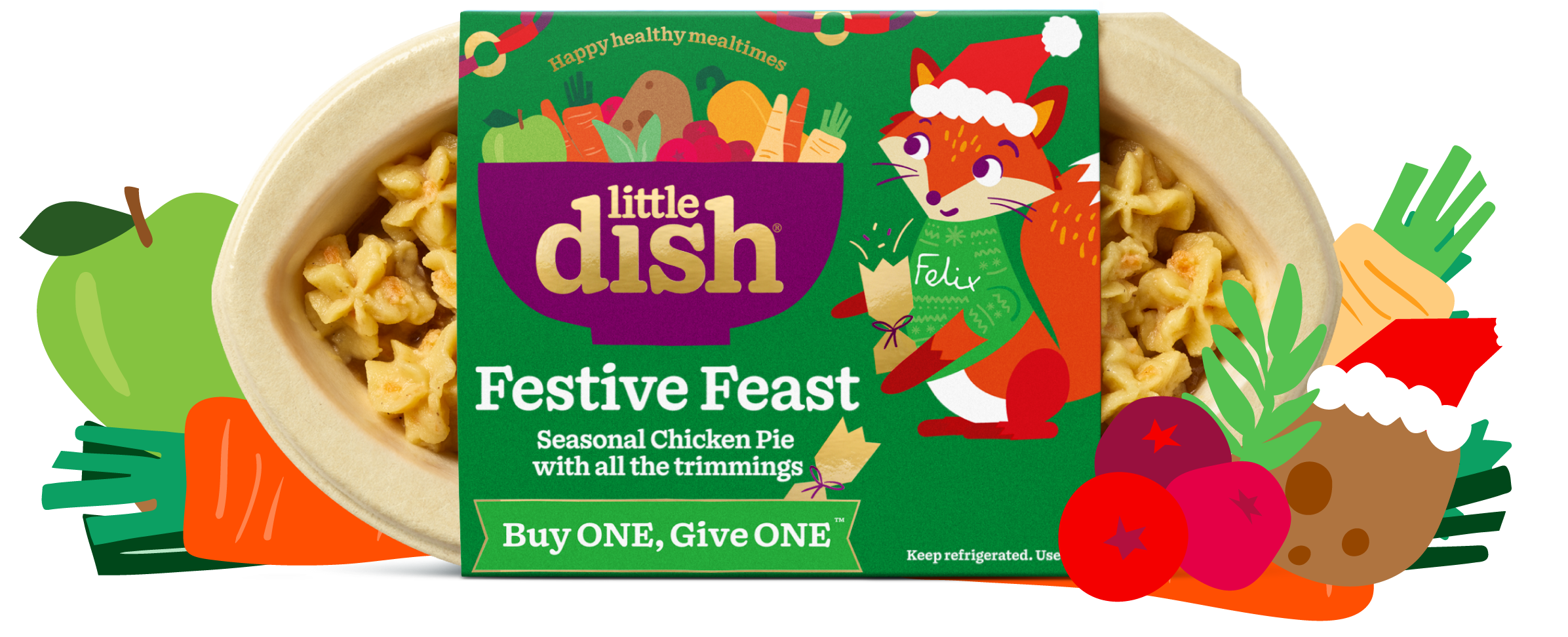
Festive Feast
Chicken Katsu Curry Noodles

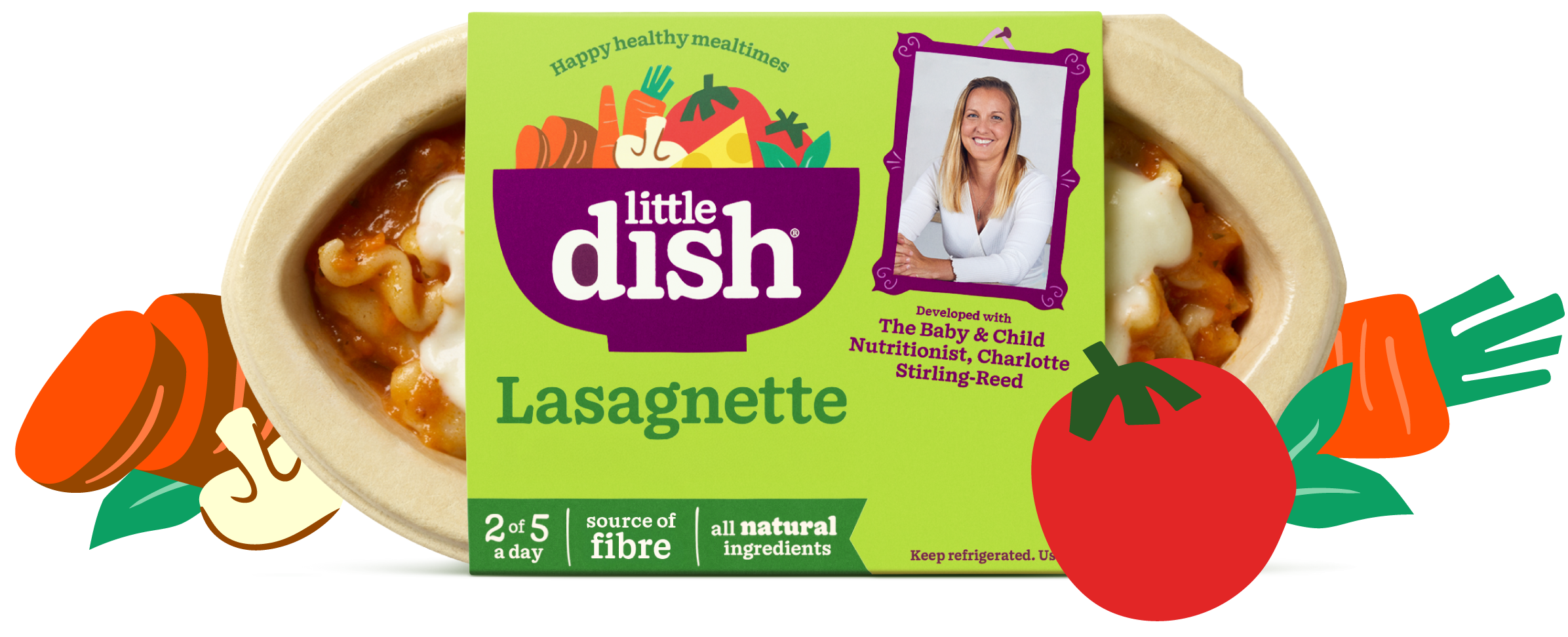
Lasagnette
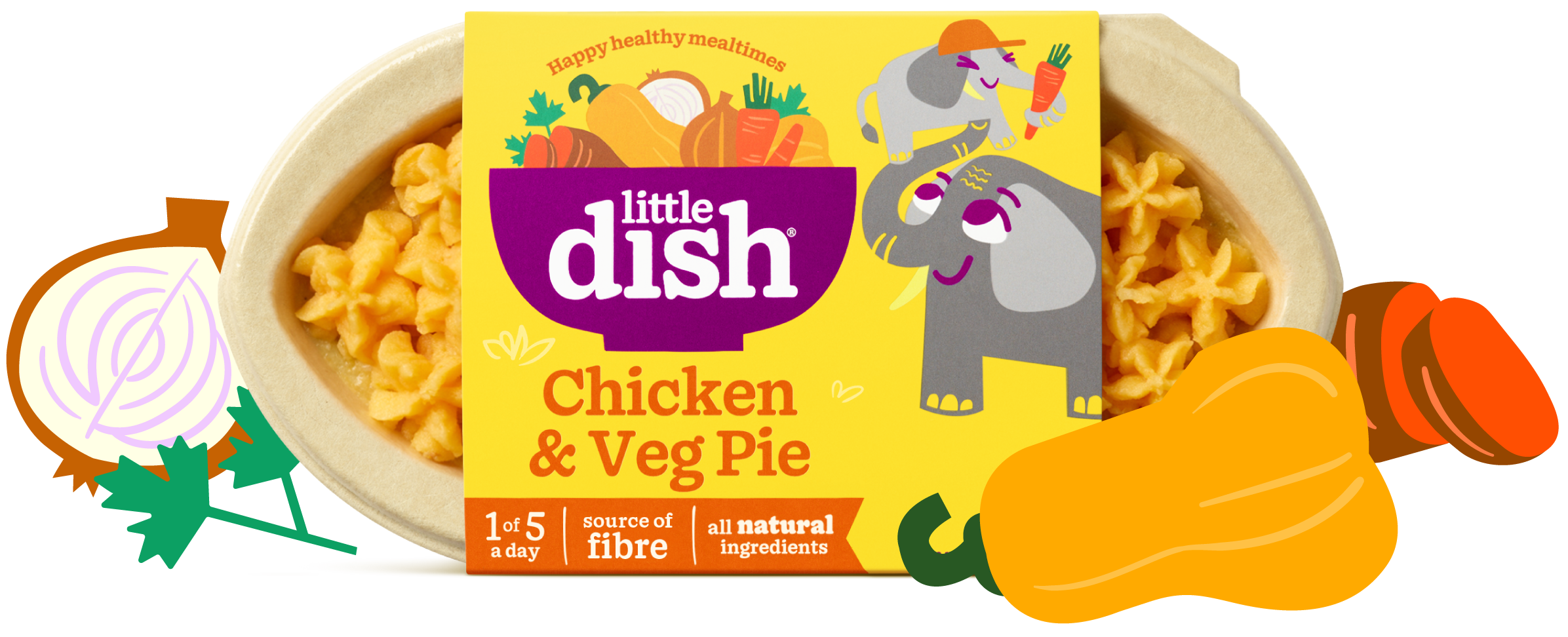
Chicken & Veg Pie
Chicken & Veg Risotto